What is a Local SEO Subscription and Why One-Time Fixes Fail for Small Businesses
The Core Definition of a Local SEO Monthly Retainer
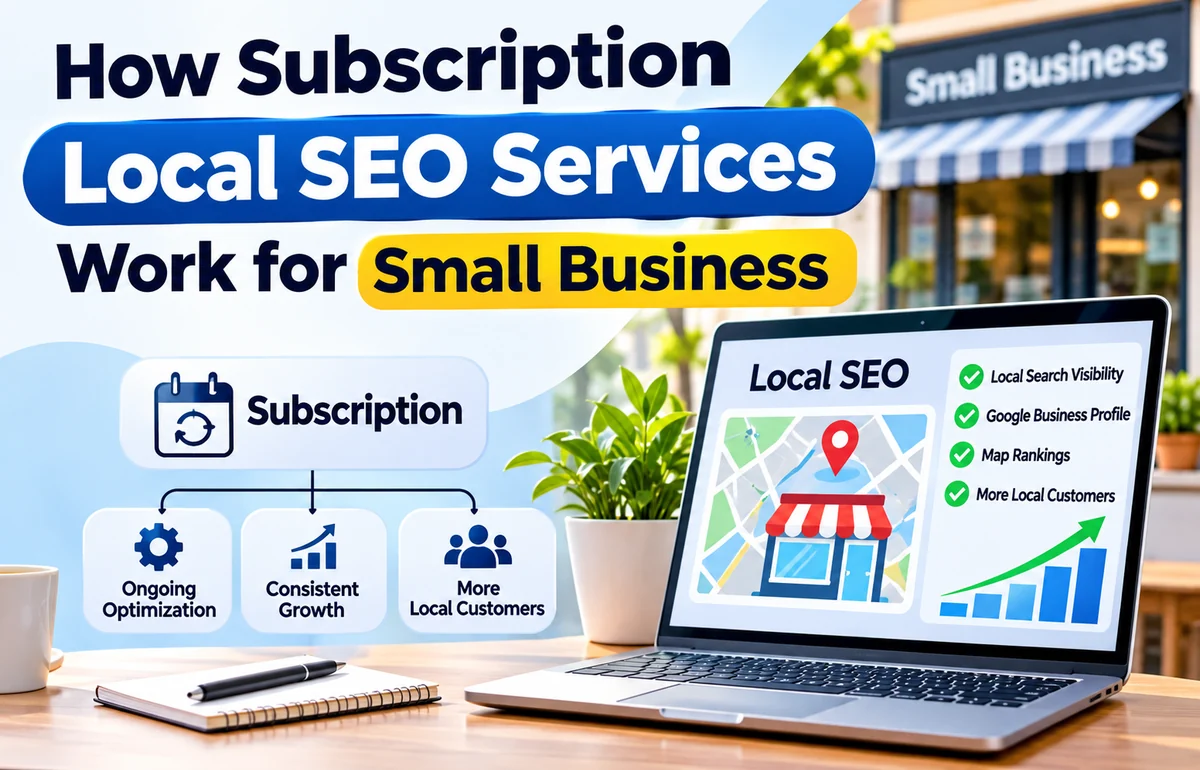
A local SEO subscription is an ongoing monthly service agreement where a specialist continuously optimizes your digital presence to ensure your business consistently appears in local searches and Google Map Pack results. Unlike traditional agencies that charge for isolated projects, a retainer delivers regular updates and active monitoring.
For US small business owners seeking professional local SEO services for US small businesses, this model provides sustainable visibility rather than temporary spikes. It turns search engine optimization into a reliable marketing channel.
- Continuous optimization of business listings across major maps and directories.
- Regular publishing of updates, offers, and photos to signal active business operations.
- Ongoing tracking of local rankings and lead attribution metrics.
Why Local Search Algorithms Require Ongoing, Weekly Maintenance
Local search algorithms constantly shift because Google updates its ranking criteria, competitors actively optimize their listings, and customer review velocity changes daily. A static setup cannot adapt to these ongoing fluctuations, making continuous weekly maintenance essential for maintaining top rankings.
Consider a practical scenario involving a plumbing contractor in Austin, Texas. The business paid an agency for a one-time SEO fix, initially saw a sharp rise into the Google Map Pack, and gained several new phone calls within the first two weeks. However, because no further adjustments or reviews were added, competing local plumbing companies updated their profiles, published new services, and gathered fresh reviews. Within sixty days, the contractor dropped completely out of the top three local positions.
- Competitors continuously optimize their profiles and add new photos.
- Google rewards fresh review generation and consistent profile activity.
- Algorithmic updates re-evaluate local relevance and proximity signals constantly.
One-Time SEO Setup vs. Monthly Retainer: What’s the Real Difference?
A one-time setup fixes technical errors and optimizes your listings once, while a monthly retainer provides continuous protection, content expansion, and review generation. This ongoing approach builds long-term authority that adapts to changing search landscapes and protects your investment.
Understanding these fundamental differences helps business owners allocate marketing budgets toward strategies that yield predictable, long-term growth rather than short-lived results.
What Core Services Are Included in a Local SEO Subscription Plan?
Google Business Profile (GBP) Optimization & Active Management
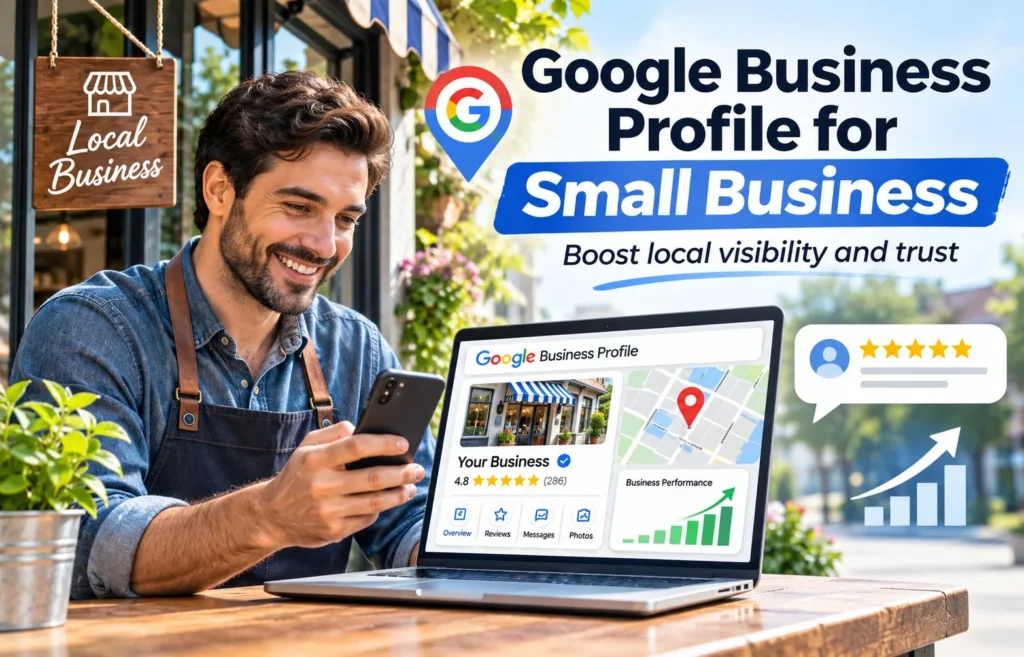
A professional local SEO subscription centers heavily on active Google Business Profile management, including regular posting, photo updates, attribute refinements, and daily monitoring. This hands-on oversight signals constant business activity to search engines, helping your storefront or service-area business capture higher local visibility.
For instance, an electrician in Miami, Florida, benefits from consistent photo uploads of recent panel upgrades and weekly GBP posts detailing current service specials. This ongoing activity reassures potential customers that the business is active, licensed, and reliable.
- Updating operating hours, holiday schedules, and service categories promptly.
- Publishing weekly geo-targeted posts to highlight special offers or completed projects.
- Answering customer questions in the Q&A section before prospective clients look elsewhere.
Local Citation Building and NAP Consistency Audits
Local citation building and NAP (Name, Address, Phone number) audits ensure your business data matches identically across online directories like Yelp, Apple Maps, and Bing. Fixing these details prevents search engines from splitting your local authority or filtering out your listing due to conflicting records.
Mismatched business addresses or phone numbers cause Google’s algorithm to flag listings as untrustworthy. Rigorous citation cleanup actively prevents Google from filtering out duplicate or confusing listings that dilute your ranking potential.
Furthermore, professional management safeguards your profile against unwarranted competitor suspensions or spam flags that automated reporting bots or malicious competitors often trigger on unprotected directory networks.
- Auditing existing listings across major data aggregators and niche local directories.
- Correcting inconsistent suite numbers, old phone numbers, or misspelled business names.
- Removing duplicate or fake listings that siphon local traffic away from your official page.
Review Generation Workflows & Reputation Management
Review generation workflows establish structured, automated or manual processes to request feedback from satisfied customers immediately after service completion. Coupled with professional reputation management, this service builds the continuous stream of positive reviews required to win top rankings in the local map pack.
Acquiring reviews requires timing and consistency rather than sporadic bursts. A structured workflow sends friendly SMS or email reminders right when a customer interaction concludes successfully.
- Implementing automated post-service review request sequences via email and text message.
- Drafting professional, timely responses to both positive reviews and critical feedback.
- Monitoring sentiment shifts to address operational issues before they impact your brand reputation.
On-Page Local Schema Markup & Bottom-of-Funnel Content
On-page local schema markup and bottom-of-funnel content give search engines explicit code-level signals about your service areas, operating hours, and core offerings. When businesses evaluate comprehensive local SEO service packages, on-page optimization serves as the technical bridge connecting your website directly to your Google Business Profile.
By pairing structured data with localized web pages, businesses capture high-intent local searchers who are ready to make an immediate purchasing decision.
- Adding LocalBusiness and Service schema markup to help search bots parse exact operating locations.
- Publishing hyper-local service-area pages targeting specific neighborhoods or municipal zones.
- Optimizing metadata and headings for bottom-of-funnel commercial keywords like emergency repair services.
How the Process Works: A Month-by-Month Execution Roadmap
Month 1 — The Deep Audit, Baseline Tracking & Technical Cleanup
The first month of a local SEO subscription focuses entirely on diagnostic work, fixing backend errors, and establishing a reliable baseline. Specialists run a comprehensive SEO audit, evaluate current Google Search Console metrics, inspect crawl errors, and benchmark existing Map Pack rankings to measure future progress accurately.
To ensure a smooth start, business owners should prepare specific account access and operational details to hand over to their SEO partner on Day 1. Aligning your setup with official Google Business Profile Guidelines prevents compliance violations right from the beginning.
- Admin or manager login access to your Google Business Profile dashboard.
- Administrative credentials for your website content management system.
- Access details for Google Analytics and Google Search Console accounts.
- Current business legal name, exact service address, primary phone number, and operating hours.
Months 2 to 3 — Foundation Building & Review Habit Activation
Months two and three concentrate on strengthening your foundational footprint through core service page optimization, local schema deployment, and systematic review generation routines. This phase resolves directory discrepancies and builds the steady activity signals search algorithms expect from trusted local businesses.
During this window, technical changes take root while structured review workflows begin gathering authentic customer feedback. Establishing this routine creates a consistent stream of positive reviews that heavily influences local map rankings.
- Optimizing core service pages with clear local intent headings and metadata.
- Deploying local business schema markup to help search bots read location data cleanly.
- Launching automated email or text message follow-up sequences for recent customers.
- Fixing remaining NAP inconsistencies across prominent business data directories.
Months 4 and Beyond — Compounding Growth, Authority & Localized Expansion
From month four onward, the campaign shifts toward compounding growth, authority building, and localized expansion. By publishing targeted neighborhood landing pages, securing local citations, and building relevant industry authority, businesses cement their position in competitive regional markets.
Local visibility expands outward as search engines recognize your site as an authoritative local resource across multiple surrounding zip codes or service areas. This steady momentum results in sustainable lead generation without relying on expensive paid ad bursts.
- Publishing dedicated neighborhood and service-area landing pages to capture nearby traffic.
- Building high-relevance local citations in regional business directories and chamber networks.
- Monitoring ranking movements and lead attribution reports to fine-tune ongoing campaigns.
- Scaling content efforts to address emerging customer questions and seasonal service shifts.
Addressing the Retainer Anxiety: Why Local SEO Takes Time and How to Measure ROI
Overcoming Retainer Fatigue: Why Quick Results Are a Red Flag
Paying a monthly retainer can feel frustrating when phone lines do not ring immediately, but sustainable local SEO requires a deliberate ramp-up period. Agencies promising overnight top rankings often rely on automated spam tactics that trigger Google penalties, whereas legitimate optimization requires time for search engines to crawl updates and build trust.
Business owners frequently voice concerns on forums about paying monthly fees without seeing instant sales spikes. This lag happens because technical fixes, citation updates, and profile adjustments take time to propagate through Google’s indexing cycles and local ranking filters.
- Search engine crawling and index updates operate on rolling schedules rather than instant triggers.
- Competitors with established historical authority require consistent positive signals to outrank.
- Aggressive shortcut tactics risk sudden profile suspensions or permanent algorithmic penalties.
Key Performance Indicators (KPIs) That Actually Matter for Local Businesses
Measuring local SEO success requires tracking metrics that reflect customer intent rather than focusing solely on vanity keyword rankings. Tracking direct phone calls, map direction requests, form submissions, and Map Pack impressions provides a clear picture of retainer ROI and actual business growth.
High search rankings mean little if they do not convert into paying customers. Proper lead generation attribution helps business owners trace exactly where customer inquiries originate, verifying the financial value of ongoing monthly management.
- Track phone calls originating directly from your Google Business Profile insights.
- Monitor map direction requests and website traffic driven by local search intent.
- Analyze Map Pack impressions to measure how often your listing appears to nearby buyers.
Scaling Local Visibility Across Multiple Neighborhoods or Cities
Service-area businesses operating across multiple municipal zones or suburbs cannot rely on a single central address to capture regional demand. Expanding local visibility requires a structured geographic strategy that establishes distinct relevance signals for every target community.
Mobile service providers and contractors must expand carefully to avoid triggering Google spam filters for duplicate locations. Utilizing our regional and city-specific optimization framework helps businesses capture traffic across neighboring zip codes safely and effectively.
- Publish tailored service pages addressing specific neighborhood needs rather than duplicating content.
- Earn localized reviews mentioning specific towns or suburbs within your service territory.
- Ensure NAP data remains accurate across regional directory networks as you expand coverage.
Understanding Local SEO Subscription Pricing & Investment Tiers
What Drives the Cost of a Monthly Local SEO Plan?
Local SEO pricing typically ranges from $500 to $5,000+ per month, depending heavily on industry competitiveness, the number of physical locations, service-area size, and content volume. Monthly subscription costs reflect the scope of manual labor and customized strategy required to outrank rivals in dense markets.
When evaluating this investment, business owners should ensure their budget aligns logically with their average customer lifetime value (LTV) rather than expecting universal flat rates. A high-ticket home service provider can easily justify a higher monthly retainer than a low-margin storefront.
- Industry competition, such as saturated legal or emergency plumbing sectors.
- Number of physical storefronts or distinct geographic service-area boundaries.
- Volume of localized content creation, citation cleanup, and schema deployment.
What to Expect from Low-Cost vs. Enterprise-Grade Subscriptions
Low-cost local SEO subscriptions often rely on automated software scripts and basic directory submissions, whereas enterprise-grade packages provide hands-on, custom campaigns tailored to complex markets. Understanding these differences helps small business owners determine whether basic automated tools or a dedicated specialist is necessary for their goals.
Choosing the right tier depends entirely on your market’s competitive landscape and growth objectives. Requesting a custom SEO quote allows agencies to audit your specific territory and recommend a sustainable investment level.
- Budget Plans: Inexpensive tiers that use automated tools for basic listing maintenance and minimal custom work.
- Mid-to-High Tiers: Dedicated specialists performing active reputation management, review generation, and content expansion.
- Custom Quotes: Tailored strategies designed for businesses operating across multiple competitive metro areas.
Frequently Asked Questions About Local SEO Subscriptions
Can I pause my local SEO subscription once I rank #1 in the Map Pack?
Pausing your local SEO subscription after reaching the top spot in the Google Map Pack is not recommended. Without ongoing activity, fresh reviews, and continuous signal updates, rank decay sets in quickly as competitors actively optimize their profiles and surpass your stagnant listing.
- Competitors constantly push updates and gather reviews to claim top local positions.
- Google values ongoing engagement signals and consistent profile activity over static optimization.
- Rank decay can cause your business to drop out of the top three spots within weeks.
How soon can a small business expect to see movement in local search results?
Most small businesses begin seeing initial movement in local search results within 60 to 120 days. The exact timeframe depends heavily on your local market competition, current website health, and how quickly review generation workflows begin yielding authentic customer feedback.
- Month one focuses entirely on technical audits, baseline indexing, and error corrections.
- Months two and three establish steady review habits and foundational page authority.
- Compounding growth typically materializes around month four and beyond as trust accumulates.
Do I need a physical storefront to benefit from a local SEO retainer?
You do not need a public storefront to benefit from a local SEO retainer. Service-area businesses such as plumbing contractors, electricians, and mobile cleaners can optimize their listings securely using service-area designations instead of displaying residential home addresses.
- Google allows service-area businesses to hide physical home addresses while targeting regional cities.
- Retainers help manage service-area radius boundaries and local citation accuracy across directories.
- Optimized profile content still attracts local phone calls and form inquiries effectively without a shopfront.