Local SEO for Small Businesses: Essential Fundamentals
Local SEO helps your business appear prominently when nearby customers search for services or products “near me” on Google Search and Google Maps. Mastering this strategy increases your visibility in the coveted Local Pack by focusing on four foundational elements: your Google Business Profile, consistent NAP citations, local on-page content, and customer reviews.
What You Will Find in This Guide
- Step-by-step instructions for setting up your digital presence from scratch.
- A realistic 90-day implementation plan designed for busy founders.
- Clear breakdowns of typical marketing timelines and budgeting ranges.
- Practical advice on deciding whether to DIY or hire an expert.
- Actionable frameworks built for modern search algorithms.
Who This Guide Is For
This guide is tailored specifically for storefront businesses, service-area businesses, and local startups across the United States. Whether you operate a single-location dental clinic, manage a mobile locksmith service, or run a neighborhood bakery, these principles apply directly to your growth.
An Expert Perspective on Common Pitfalls
Observing local business owners navigate digital marketing reveals a frequent misstep: creating multiple conflicting business listings across directories. Ensuring precise alignment of your business name, address, and phone number from day one prevents frustrating indexing errors and establishes trust with local searchers.
What Is Local SEO (and How Is It Different From Regular SEO)?
What is local SEO in simple words?
Local SEO is the practice of optimizing your online presence to attract more business from relevant local searches. For example, when someone in Austin searches for “roof repair near me,” Google displays local companies in a specialized map layout right at the top of the results page.
This targeted optimization ensures your business appears exactly when nearby prospects need your specific services. Instead of competing globally, you focus entirely on your immediate geographic service area.
Local SEO vs traditional SEO
Traditional SEO focuses on ranking websites nationally or globally for broad keywords, whereas local SEO prioritizes geographic visibility and physical service areas. Understanding this core distinction shapes how you allocate your marketing budget and optimize your website content.
Where local results show up
Local search results appear across three distinct areas on a search engine results page: the Local Pack, Google Maps, and traditional organic listings. Recognizing these specific locations helps you tailor your optimization tactics for maximum visibility.
- Local Pack: A prominent three-business map listing appearing above standard organic links for geo-modified queries.
- Google Maps: Dedicated navigation and discovery interface where users explore nearby storefronts and service providers.
- Organic Results: Traditional blue links located directly below the map section, driven by location-optimized landing pages.
Storefront vs service-area business
Local businesses generally operate under one of two distinct models: a physical storefront or a service-area business. Each model requires a customized approach to address how Google verifies your location and displays your business to local searchers.
- Storefront Business: Retail shops, restaurants, or clinics with a fixed physical location where customers visit in person. Optimization focuses heavily on exact address verification, customer foot traffic, and hyper-local reviews.
- Service-Area Business (SAB): Plumbers, electricians, or mobile cleaners who travel directly to customer locations. Optimization relies on defining specific operational service radius boundaries rather than highlighting a public street address.
Is Local SEO Worth It for Small Businesses?
Is local SEO worth it?
Local SEO is entirely worth it if your customers actively search for your services by location, though it requires patience as a long-term growth engine. It is less suited for business owners needing immediate, overnight customer acquisition without any setup effort.
Unlike quick ad pushes, local search visibility builds compounding digital assets that continue generating inbound calls and form submissions long after the initial optimization work is complete.
Local SEO vs paid ads: what to choose?
Choosing between local SEO and paid ads depends on your cash flow timeline and long-term business goals. While paid advertising delivers immediate placement, local SEO builds sustainable organic trust over time.
When local SEO is NOT the right move yet
While organic search offers powerful compounding returns, specific operational conditions make it an inefficient choice for certain early-stage or specialized businesses.
- Zero digital foundational setup: If your business lacks a basic website, verified business profile, or functional phone line, jumping straight into advanced optimization wastes valuable capital.
- Extremely low-margin models: Businesses operating on razor-thin margins with high volume requirements often struggle to recover organic optimization costs before needing cash flow.
- Purely national e-commerce: Companies selling standard physical goods nationwide gain little from hyper-local map positioning compared to broad national keyword strategies.
Simple lead-value math
Evaluating the financial logic of local optimization involves calculating your average customer value multiplied by expected organic lead volume. This straightforward formula grounds your marketing budget in realistic financial projections rather than guesswork.
- Core Formula: Average Customer Value multiplied by Monthly Organic Leads equals Estimated Monthly Revenue Potential.
- Practical Example: A residential HVAC repair company earning an average of $300 per service call that captures 10 new organic calls monthly generates $3,000 in monthly revenue from search visibility.
- Budget Alignment: Compare this potential monthly return against your SEO time investment or agency retainer to determine practical profitability.
How Does Google Rank Local Businesses?
What are the 3 local ranking factors?
Google evaluates local search results primarily through three core pillars: relevance, distance, and prominence. Relevance measures how well your business listing matches a specific search query, distance calculates physical proximity between your location and the searcher, and prominence reflects your overall brand strength and trust signals.
Understanding how these three variables interact helps you focus your optimization efforts on the elements you can directly control while accepting the natural boundaries of geographic proximity.
Relevance: matching search intent
Relevance determines how closely your business profile and website align with what a local user is searching for. If your primary category and service descriptions do not match the search terms, Google will bypass your listing for a more targeted competitor.
- Primary Categories: Selecting the most accurate primary category on your Google Business Profile is critical for signaling your core offering.
- Service Lists: Adding comprehensive, detailed service menus ensures you appear for secondary and long-tail query variations.
- On-Page Content: Integrating location-specific keywords into your website’s landing pages reinforces your topical relevance to search algorithms.
Distance: navigating proximity limitations
Distance evaluates how close your physical storefront or registered service area is to the person executing the search query. Because search algorithms prioritize user convenience, you cannot always rank #1 for a “near me” search if the user is sitting right next to a direct competitor.
Consider a practical scenario involving two competing plumbing contractors in a major metro area. A customer searching from downtown will often see the contractor physically located closer to downtown ranked higher in the Local Pack, even if the distant competitor has a slightly older website.
- Proximity Weight: Algorithms weigh physical distance heavily for urgent service queries where immediate travel time matters.
- Service-Area Radius: Setting realistic operational boundaries ensures your business targets areas where distance penalties do not completely block your visibility.
Prominence: building brand authority
Prominence tells Google how well-known, trusted, and authoritative a business is in both the physical world and the digital landscape. A business with high prominence can sometimes overcome minor distance disadvantages because the algorithm recognizes its established local reputation.
- Reviews: Consistent volume, positive sentiment, and keyword-rich customer feedback strongly influence local prominence scores.
- Citations: Accurate and uniform business data across major online directories validate your legitimacy.
- Local Links: Earning mentions and backlinks from local news outlets, chambers of commerce, and community sites boosts authority.
Local Ranking Factors Control Matrix
How to Optimize Your Google Business Profile (Step-by-Step)
How do you claim and verify a GBP?
Claiming and verifying your Google Business Profile is the single most critical step to establish local search visibility and appear in the Local Pack. Verification proves to Google that your business legitimately operates at the specified location, usually completed via postcard, phone, email, or video upload.
- Search for your business on Google Maps or navigate directly to the Google Business Profile management portal.
- Select “Manage Now” and enter your exact legal business name and operational address.
- Choose your preferred verification method offered by Google, such as live video verification for service-area providers or postcard verification for storefronts.
- Submit any requested proof, including storefront signage, branded vehicles, or business licenses, to complete the activation process.
Choosing the right primary and secondary categories
Your primary category is the single strongest relevance signal for local rankings, making it crucial to pick the most accurate descriptor available. Selecting a broad or incorrect primary category completely breaks your chances of showing up for targeted local queries.
- Primary Category Selection: Choose the exact niche service or product you offer rather than a generic umbrella term (e.g., “HVAC Contractor” vs. “Contractor”).
- Secondary Categories: Add 3 to 5 supportive secondary categories that reflect your extended service offerings without diluting core relevance.
- Policy Alignment: Review Google ki apni local ranking guidance to stay aligned with category policy updates and optimization standards.
Business name, description, services, hours, attributes
Keep your business name strictly legal and clean, avoiding keyword-stuffed terms that trigger automated profile suspensions. Fill every description and attribute field naturally with helpful details rather than hidden search phrases.
- Business Name: Use your exact registered storefront or DBA name without appending city names or service keywords.
- Services Menu: Outline all specific offerings with clear pricing indicators or descriptions to capture long-tail variations.
- Business Hours: Keep operational hours updated accurately, especially for holidays, to prevent negative customer reviews from unexpected closures.
- Attributes: Check all relevant amenities, accessibility options, and payment methods to match specific customer filter criteria.
Photos, posts, Q&A, products/services, booking links
Active engagement features like high-quality photos and direct booking links improve conversion rates by reassuring potential customers. Avoid outdated optimization myths like geotagging photos, which offer zero algorithmic ranking benefit.
- Photo Uploads: Regularly upload unedited real photos of your team, storefront, vehicles, and completed work projects.
- Google Posts: Publish weekly updates highlighting seasonal offers, new services, or company announcements.
- Q&A Section: Pre-populate frequently asked questions with clear, direct answers to address common customer friction points before they call.
- Booking Integration: Add an official appointment or reservation link to turn casual search traffic into direct bookings.
Service-area business setup
Service-area businesses must hide their residential street address on the public map profile and define specific operational service boundaries. This configuration protects privacy while maintaining compliant geographic targeting.
- Address Visibility: Toggle off the physical storefront address display setting if you visit clients at their locations instead of hosting them.
- Service Radius: Define specific zip codes, counties, or cities where your team travels to deliver services.
- Geographic Focus: Keep your service boundary realistic to avoid coverage areas where travel time makes service delivery impractical.
GBP optimization checklist
Use a systematic checklist to verify that every foundational and advanced profile element is fully configured for maximum local impact. Completing these steps ensures your profile is ready for algorithm evaluation.
- Claimed and verified profile status.
- Accurate legal business name without keyword spam.
- Primary category matched to core service.
- 3 to 5 relevant secondary categories added.
- Verified NAP matching website and citations.
- Complete operating hours and holiday schedules.
- Detailed service lists with clear descriptions.
- At least 10 high-quality, authentic business photos.
- Active booking link or primary phone number.
- Pre-populated Q&A section with top client queries.
Common GBP mistakes and suspensions
Avoiding common policy violations protects your profile from sudden suspensions that can instantly halt your inbound lead flow. Recognizing these pitfalls keeps your local marketing efforts secure.
- Adding keywords or locations into the business name field.
- Using virtual offices, P.O. boxes, or unstaffed coworking spaces as physical addresses.
- Failing identity video verification checks due to poor lighting or unbranded documentation.
- Creating multiple duplicate profiles for the exact same physical location or service area.
NAP Consistency and Local Citations
What is NAP consistency and why does it matter?
NAP consistency means your business Name, Address, and Phone number are formatted identically across every single online listing and directory. Even minor formatting variations—like writing “123 Main St.” on Google but “123 Main Street” on Yelp—can confuse search engine algorithms and weaken your local search rankings.
Search engines rely on consistent NAP data to verify your business identity and build trust. When your business details match perfectly across the web, Google gains confidence in your physical location and service validity.
- Name Precision: Keep your business name identical everywhere without appending extra promotional keywords.
- Address Uniformity: Match suite numbers, street abbreviations, and postal codes across all platforms.
- Phone Exactness: Use your primary local business phone number uniformly across every digital touchpoint.
What are local citations?
Local citations are any online mentions of your business name, address, and phone number on third-party websites, directories, or social media pages. They act as digital validation signals that help search engines confirm your business exists and operates in a specific geographic market.
- Structured Citations: Formal directory listings on platforms like Yelp or YellowPages where your NAP details are organized in dedicated database fields.
- Unstructured Citations: Organic mentions of your business inside local news articles, blog posts, or community event pages where NAP details appear in natural text.
Which directories matter for US businesses?
Focusing your optimization efforts on high-authority directories maximizes your local visibility while avoiding low-value spam sites. Prioritize core national platforms alongside reputable industry-specific portals.
How to run a citation audit
Running a citation audit involves searching for your business online to identify missing listings, outdated phone numbers, or conflicting addresses across the web. Fixing these discrepancies restores search engine trust and prevents customer confusion during local searches.
- Conduct a manual search using your exact business name and phone number in quotation marks to find existing mentions.
- Compile every discovered listing into a master tracking spreadsheet to log its current status.
- Identify duplicate pages, old addresses, or incorrect phone numbers across secondary business directories.
- Submit update requests or log into directory dashboards to correct mismatched NAP information.
Track your audit progress using spreadsheet columns dedicated to Platform Name, Listed URL, Current NAP Data, Required Correction Status, and Date Updated.
Cleaning duplicates and old addresses
Cleaning up duplicate listings and outdated addresses is essential when your business relocates or undergoes a rebrand. Left unchecked, old listings divert potential customers to a vacant building and send mixed signals to search crawlers.
- Merging Duplicates: Claim duplicate directory pages and use platform support tools to merge them into your single active profile.
- Closure Status: Mark old business addresses as permanently closed on major map platforms rather than simply deleting them.
- Rebrand Continuity: Update your legal name changes across data aggregators and core directories simultaneously to prevent fragmented local visibility.
- Customer Communication: Post clear relocation notices on your website and active social profiles to guide returning clients.
Local Keyword Research, On-Page SEO, Location Pages and Schema
How do you find local keywords?
Local keyword research involves identifying terms customers use when searching for services in specific cities, neighborhoods, or near their current location. By combining your core service terms with local geographic modifiers and leveraging free data sources like Google Autocomplete and Search Console, you uncover high-intent search queries.
- Combine core service nouns with target cities, neighborhoods, and zip codes (e.g., “emergency plumber Miami”).
- Use Google Autocomplete by typing your service plus local neighborhood names to discover popular search variations.
- Analyze Google Search Console performance reports to find existing regional search queries driving impressions.
- Research competitor websites ranking in the Local Pack to identify secondary phrasing they target.
Where to place local keywords
Strategic placement of geographic modifiers across critical HTML tags and content elements signals your target location clearly to search engine crawlers without triggering spam penalties. Proper alignment across headings and metadata maximizes topical relevance.
- Title Tag Before: Roof Repair Services
- Title Tag After: Roof Repair in Austin, TX | Trusted Local Contractors
- Title Tag: Include your primary service and core target city within the first 60 characters.
- H1 Heading: Align your main page title naturally with your primary geographic modifier.
- Meta Description: Craft a compelling summary incorporating your service area to drive click-through rates.
- URL Structure: Keep slugs clean and descriptive (e.g., /austin-roof-repair/).
- Image Alt Text: Describe visual elements using natural regional context where relevant.
How to build location and service pages without doorway spam
Creating separate pages for multiple cities or neighborhoods requires unique, value-driven content to avoid search engine penalties for doorway spam. Every page must offer genuine local context rather than swapping out city names in a template.
- Include local proof, such as projects completed in that specific neighborhood or city.
- Feature region-specific team members or local branch operational details.
- Answer unique area-based FAQs, including local permitting or climate considerations.
- Provide clear driving directions or a localized service zone map graphic.
- Avoid publishing identical page templates across multiple cities with only the city name changed.
What is LocalBusiness schema and how do you add it?
LocalBusiness schema is a snippet of structured code added to your website’s header that explicitly tells search engines your business name, address, phone number, hours, and service area. This machine-readable data helps Google display your business accurately in rich results.
<script type="application/ld+json">
{
  "@context": "https://schema.org",
  "@type": "LocalBusiness",
  "name": "Your Business Name",
  "image": "https://www.example.com/logo.jpg",
  "@id": "https://www.example.com",
  "url": "https://www.example.com",
  "telephone": "+1-555-555-5555",
  "address": {
    "@type": "PostalAddress",
    "streetAddress": "123 Main Street",
    "addressLocality": "Austin",
    "addressRegion": "TX",
    "postalCode": "78701",
    "addressCountry": "US"
  },
  "geo": {
    "@type": "GeoCoordinates",
    "latitude": 30.2672,
    "longitude": -97.7431
  },
  "openingHoursSpecification": {
    "@type": "OpeningHoursSpecification",
    "dayOfWeek": [
      "Monday",
      "Tuesday",
      "Wednesday",
      "Thursday",
      "Friday"
    ],
    "opens": "08:00",
    "closes": "18:00"
  }
}
</script>
Always validate your implemented code using Google’s official Rich Results Test tool to ensure there are no syntax errors before publishing.
NAP in footer and contact page best practice
Placing your exact NAP in your website’s global footer and dedicated contact page reinforces geographic relevance across every crawl. Ensure this footer text matches your Google Business Profile word-for-word to maintain perfect digital consistency.
How to Get More Google Reviews (and Handle Bad Ones)
How do you get more Google reviews ethically?
Earning more Google reviews ethically requires timing your request perfectly when customer satisfaction peaks, using direct review links or QR codes, and avoiding incentivized or fake reviews that violate Google policy. Consistent, genuine feedback builds the powerful social proof needed to lift your local rankings and convert prospective clients.
- Direct Access: Send customers a direct shortened link or printed QR code pointing straight to your review submission window.
- Policy Compliance: Never offer financial incentives, discounts, or gift cards in exchange for positive reviews to prevent account penalties.
- Personalized Asks: Frame your request around how much their specific feedback supports your local small business team.
Review request scripts
Having reliable, repeatable messaging ready for your team makes asking for feedback a seamless part of daily operations. Use these proven templates tailored across different communication channels to boost response rates.
- In-Person Script: “If you are happy with the repair today, I will shoot you a quick text with our review link. It takes under thirty seconds and really helps our small crew out!”
- SMS / Text Template: “Hi [Name], thanks for choosing [Business Name] today! If you have a quick moment, we would love your feedback here: [Short Link].”
- Email Template: “Hi [Name], it was a pleasure servicing your property today. We strive to provide 5-star service, and your feedback helps other local homeowners find us. If you have a minute, please share your experience here: [Link].”
Best timing and channels
Reaching out at the exact moment of peak satisfaction dramatically increases the likelihood that a customer will complete a review. Matching your communication channel to the specific business model ensures higher engagement.
How to respond to positive and negative reviews
Responding to every review demonstrates active customer care and reinforces trust for future prospects browsing your profile. Handling negative feedback calmly and professionally often turns a dissatisfied client into a loyal advocate.
- Positive Response Template: “Thanks so much for the kind words, [Name]! Our team enjoyed working on your project. Let us know if you ever need anything else!”
- Negative Step 1: Acknowledge the client’s frustration promptly without becoming defensive or argumentative.
- Negative Step 2: Take the conversation offline immediately by providing a direct phone number or email address to resolve the issue.
- Negative Step 3: Follow up publicly once the issue is resolved to show future readers that your business takes customer satisfaction seriously.
Review velocity and recency
Review velocity measures the speed and consistency at which new feedback lands on your profile over time. Maintaining a steady, organic flow of reviews signals authentic business activity much better than sudden, unnatural spikes.
- Avoid Bulk Influx: Purchasing review bundles or trying to collect fifty reviews in a single afternoon triggers automated Google filters and profile suspensions.
- Prioritize Recency: Continuous review acquisition shows search algorithms that your business maintains active customer satisfaction year-round.
Local Backlinks and Community Visibility (Chamber, Nextdoor, Reddit)
How do you build local backlinks without a big budget?
Building local backlinks without a large budget relies on leveraging community relationships, local sponsorships, and regional business directories rather than expensive outreach campaigns. You can secure high-authority local links by partnering with nearby vendors, joining your local Chamber of Commerce, and engaging with neighborhood organizations.
Focusing on authentic local connections creates organic digital mentions that search algorithms value far more than generic, paid guest blogging networks.
- Chamber of Commerce: Joining your regional or city chamber grants you an authoritative local directory link and valuable networking access.
- Local Sponsorships: Sponsor a youth sports team, community charity event, or neighborhood festival for a guaranteed local website mention.
- Vendor and Partner Pages: Ask suppliers or complementary local businesses you collaborate with to feature your company on their partner or preferred vendor list.
Local link ideas by effort
Evaluating link-building tactics based on required effort and expected value helps small business owners prioritize marketing hours effectively. This structured comparison guides resource allocation for maximum return.
Using Nextdoor, Facebook groups and Reddit honestly
Engaging on platforms like Nextdoor, Facebook groups, and Reddit requires a value-first participation approach rather than direct self-promotion. Because search engines increasingly index discussion forums, authentic community engagement builds valuable brand mentions and indirect referral traffic.
- Value-First Rule: Answer user questions genuinely and helpfully before ever mentioning your commercial services or dropping a link.
- Platform Rules: Respect community guidelines and group administrator policies regarding business posts to avoid immediate bans or negative brand sentiment.
- Forum Indexing Value: Participate actively in local Reddit city subreddits, as these hyper-local discussions frequently rank prominently in modern Google search results.
Local PR and HARO-style opportunities
Local PR and journalist request platforms let small businesses earn high-authority media mentions by offering expert commentary for regional news stories. Securing these placements requires responding quickly with concise, fact-based insights tailored to a journalist’s specific angle.
Avoid sending generic, automated mass pitches to local editors, as personalized relevance is mandatory for earning editorial links.
- Pitch Strategy: Monitor daily journalist request platforms or pitch local reporters directly when a regional news cycle aligns with your industry expertise.
- Short Pitch Template: “Hi [Journalist Name], regarding your upcoming piece on [Topic], our team has managed [specific service metric or practical observation] across [City] for [Number] years. Here are two quick insights you can use…”
Mobile, Speed and Technical Basics for Local Sites
Does site speed and mobile friendliness affect local rankings?
Site speed and mobile optimization directly impact local search rankings and conversion rates because mobile users expect instant access to contact details. Integrating click-to-call phone buttons ensures prospective clients on mobile devices can connect with your business immediately without unnecessary friction.
Search engines prioritize fast-loading pages that deliver a seamless experience on smartphones, as the majority of urgent local intent searches occur on mobile screens.
5-point mobile checklist
- Fast Load Time: Ensure your pages load in under three seconds on standard mobile connections to prevent immediate visitor drop-off.
- Click-to-Call Buttons: Feature clickable phone number links prominently in the header and footer for instant mobile dialing.
- Readable Typography: Use legible font sizes and high-contrast text that requires zero pinch-to-zoom on smaller smartphone displays.
- Simple Contact Forms: Keep inquiry forms brief, requesting only essential information to maximize mobile completion rates.
- Active HTTPS Security: Install a valid SSL certificate to secure user data and satisfy modern browser security standards.
Free tests
Evaluating your website’s technical health requires utilizing reliable diagnostic platforms to uncover underlying performance bottlenecks. Regular testing helps maintain competitive page speeds and prevents indexing errors.
- PageSpeed Insights: Analyze core performance metrics and receive specific optimization recommendations for mobile loading speeds.
- Search Console Reports: Monitor mobile usability warnings, indexing statuses, and Core Web Vitals performance directly from search data.
Your 30/60/90-Day Local SEO Action Plan
What should you do first?
You should prioritize establishing your Google Business Profile and ensuring consistent NAP citations before building website content or pursuing link-building campaigns. This foundational setup creates the essential structural baseline required for search engines to properly index and rank your local business.
Tackling foundational tasks first prevents you from driving traffic to an incomplete digital footprint and accelerates your path toward Local Pack visibility.
Days 1-30: Foundation
The first month focuses entirely on claiming, verifying, and optimizing your foundational business listings across core map platforms and major data directories.
- Claim and complete verification for your Google Business Profile with accurate categories.
- Run a comprehensive citation audit to identify and fix mismatched NAP data.
- Establish consistent business listings on Apple Maps, Bing Places, and Yelp.
Days 31-60: On-page and content
Months two shifts attention to your website infrastructure, ensuring your landing pages, service descriptions, and metadata align with local search intent.
- Optimize your title tags and H1 headers with targeted local geo-modifiers.
- Build dedicated, high-value service pages that clearly outline your local offerings.
- Implement LocalBusiness schema markup across your primary contact and footer areas.
Days 61-90: Authority and tracking
The final phase of your initial ninety-day roadmap establishes ongoing review generation workflows and monitors organic performance gains.
- Launch an ethical post-service review request campaign via SMS and email.
- Secure foundational local backlinks through community sponsorships or industry directories.
- Review Search Console impression trends and track local keyword ranking progress.
Weekly time commitment
Executing an effective local SEO strategy requires a realistic ongoing time investment of approximately 3 to 5 hours per week for business owners handling tasks internally. Consistency across review management and content updates matters far more than sporadic bursts of effort.
Downloadable checklist note
Converting this structured roadmap into a standalone reference checklist PDF helps your team track completed milestones efficiently across daily operations.
How Much Does Local SEO Cost for a Small Business?
How much does local SEO cost?
Local SEO costs vary widely depending on market competition, the number of locations, and the required scope of work, typically ranging from DIY time investment to professional monthly retainers. Understanding typical pricing structures helps small business owners budget accurately without falling for low-quality automated scams.
Transparent pricing models reflect the actual hours, technical audits, content creation, and citation management required to establish sustainable regional dominance.
Cost comparison table: DIY / freelancer / agency
What affects the price?
Several operational variables influence the total investment required for effective local search optimization campaigns. Assessing these factors helps determine whether standard packages or custom retainers fit your goals.
- Market Competition: Densely populated metropolitan areas require more aggressive optimization efforts than smaller rural markets.
- Number of Locations: Managing multiple storefronts or service-area branches multiplies the required citation and profile maintenance work.
- Service-Area Size: Expanding target geographical boundaries demands additional location landing pages and localized content creation.
- Content Volume: Publishing frequent location-specific blog posts and service guides increases overall production costs.
- Link Building Scope: Acquiring high-authority local press mentions and sponsorship links involves dedicated outreach hours.
How much should you pay?
Aligning your marketing expenditure with your current business stage ensures sustainable cash flow management. Early-stage startups often begin with foundational setup work, while established enterprises invest in aggressive monthly retainers to defend market share.
Treat local SEO as a long-term compounding growth asset rather than an immediate short-term advertising expense.
Red flags in local SEO pricing and promises
Knowing what warning signs to look for protects your business from predatory marketing agencies offering unrealistic results. Recognizing these red flags prevents wasted capital and permanent domain damage.
- Guaranteed number one ranking promises on Google Search or Maps.
- Suspiciously cheap monthly packages offering thousands of automated directory submissions.
- Lack of transparent reporting or withholding administrative access to your Google Business Profile.
- Black-box optimization tactics that refuse to explain where your budget is allocated.
What a fair proposal should include
A legitimate local service proposal provides complete clarity on deliverables, timelines, and reporting schedules. Reviewing these specific components ensures your investment supports genuine business growth.
- Initial technical audit and competitor visibility analysis.
- Google Business Profile optimization and ongoing category monitoring.
- Structured citation audit and NAP cleanup plan.
- On-page metadata and location landing page recommendations.
- Monthly performance reporting tracking calls, form leads, and Map impressions.
How Long Does Local SEO Take to Work?
How long does local SEO take?
Local SEO typically delivers initial Google Business Profile and map movement within a few weeks, while organic website rankings take several months of consistent optimization. Because search engine algorithms constantly re-evaluate trust signals, no professional can guarantee exact ranking timeframes or overnight results.
Understanding this dual timeline helps you set realistic expectations while your digital assets build compounding momentum in your local market.
- Initial Map Movement: Local Pack visibility often improves within 30 to 45 days after verified profile completion and citation cleanup.
- Organic Website Growth: Traditional search rankings and content authority require 3 to 6 months of active optimization to show strong upward trends.
Realistic milestones table
What speeds things up or slows things down
Several operational and market variables directly influence how fast your local search visibility compounds over time. Recognizing these factors helps you evaluate your competitive landscape accurately.
- Competition Level: Densely populated metropolitan areas require more aggressive optimization to outrank established incumbent businesses.
- Profile Age: Older, verified Google Business Profiles with established review histories rank faster than brand-new listings.
- Review Velocity: Consistent, authentic customer feedback accelerates trust signals far quicker than sporadic review collection.
- Website Quality: Technical speed, mobile responsiveness, and clear local landing pages determine how well traffic converts.
How to get leads while waiting
Waiting for organic search momentum to build requires activating alternative lead channels to maintain steady cash flow during your startup phase. Balancing organic optimization with immediate outreach bridges the revenue gap.
- Direct Profile Engagement: Optimize your Google Business Profile features to encourage immediate phone calls and direct quote requests.
- Community Platforms: Participate helpfully in local Nextdoor and Facebook groups to generate word-of-mouth recommendations.
- Short-Term Advertising: Utilize targeted local service ads or paid search campaigns if immediate customer acquisition is critical for cash flow.
DIY vs Hiring a Local SEO Expert: How to Decide
Should you do local SEO yourself or hire help?
Deciding whether to handle local search optimization yourself or hire an expert depends on your available time, marketing budget, technical comfort level, and local market competition. If you have extra time and low initial capital, a DIY approach works well; highly competitive metropolitan markets usually demand professional expertise.
Evaluating your internal resources ensures you choose the most profitable path forward without wasting valuable capital on mismatched strategies.
- Time Availability: Handling tasks internally requires committing 3 to 5 consistent hours every week to review management and content updates.
- Market Competition: Low-competition rural areas are easily managed solo, whereas dense urban markets require advanced technical link building.
Decision comparison table
5 questions to ask before hiring
Interviewing potential marketing partners carefully protects your investment and ensures you maintain full administrative control over your digital assets. Asking direct operational questions reveals transparency and competence.
- Do you provide transparent monthly performance reporting tracking actual calls and leads?
- Will our business retain full administrative ownership of our Google Business Profile and domain accounts?
- What specific citation and content tasks are included in your monthly scope of work?
- Can you share realistic timeline expectations based on our local market competition?
- What relevant experience do you have working within our specific service industry?
What you can safely DIY today vs what to outsource
Splitting your tasks between internal execution and external support keeps costs manageable while accelerating technical growth. Focusing your personal energy where it matters most maximizes operational efficiency.
- Safe to DIY: Claiming your Google Business Profile, uploading project photos, replying to customer reviews, and managing basic social media profiles.
- Best Outsourced: Technical website performance optimization, schema coding implementation, structured citation audits, and large-scale link building.
Local SEO Startups: From Zero to First Customers
How does a brand-new business start local SEO?
Brand-new startups must first finalize their legal NAP details, claim and verify their Google Business Profile, build ten core citations, and establish a systematic process for earning initial reviews. Setting up these foundational elements properly prevents early indexing errors and prepares your new brand for local discovery.
Starting with a clean slate requires disciplined execution across your core directory profiles before tackling advanced content strategies.
- Legal Details: Lock down your exact business name, address, and local phone number across all legal and digital records.
- Profile Verification: Complete your Google Business Profile verification video upload or postcard request immediately to secure your map listing.
No reviews, no history: how to compete
Launching without historical reviews or established domain authority requires leaning heavily on exceptional customer service and direct personal outreach. Building momentum from scratch takes patience and deliberate execution.
- First 10 Reviews Plan: Reach out personally to your earliest clients, friends, or professional network members to request honest initial feedback.
- Community Presence: Engage actively in local neighborhood groups to establish personal brand awareness before search rankings fully mature.
- Honest Expectations: Accept that early traction takes time, and focus on delivering 5-star service to every single early customer.
Launch-week checklist
Budget-first priorities for new ventures
Operating on a tight startup budget means allocating every dollar toward foundational assets that deliver the highest immediate return on investment. Prioritizing sweat equity over expensive retainers preserves cash flow during early months.
- Free Diagnostic Tools: Utilize Google Search Console, Google Analytics, and PageSpeed Insights without paying for costly third-party software suites.
- Manual Directory Citations: Handle core directory submissions manually rather than paying for automated submission software that creates duplicate errors.
- Sweat Equity for Reviews: Personalize every review request text and email yourself to maximize early conversion rates.
Service-area startup without a storefront
Service-area startups operating from home addresses must hide their residential street location and establish clear operational boundaries in compliance with Google guidelines. Following platform policies prevents sudden account suspensions.
- Address Hiding: Toggle off your physical street address visibility in your Google Business Profile dashboard settings.
- Service Radius: Define precise operating zip codes or counties where your team travels to deliver services.
- Policy Compliance: Never use virtual P.O. boxes or unstaffed mailing centers as registered business locations.
Local SEO Examples by Industry
Local SEO for plumbers and home-service contractors
Plumbers and home-service contractors rely heavily on urgent local intent, mobile searches, and rapid review gathering to capture emergency customer calls in specific service areas. Because these businesses rarely host customers on-site, their optimization focuses entirely on map visibility and clear service-radius boundaries.
- Top Priority: Verifying a service-area Google Business Profile and building rapid response review workflows.
- Common Keyword Pattern: Emergency plumbing repair near me, 24/7 plumber [City], water heater installation [Neighborhood].
- Common Mistake: Displaying a residential home address publicly instead of configuring a hidden service-area radius.
Local SEO for dentists and clinics
Dentists and medical clinics depend on establishing deep community trust, accurate insurance categories, and frictionless appointment booking links to convert local patients. Storefront visibility and consistent directory citations are essential for capturing high-intent healthcare searches.
- Top Priority: Optimizing medical categories, embedding online booking integrations, and collecting patient reviews ethically.
- Common Keyword Pattern: Family dentist in [City], emergency dental clinic near me, pediatric orthodontist [Neighborhood].
- Common Mistake: Using promotional keywords in the clinic name field instead of official legal signage names.
Local SEO for restaurants and cafes
Restaurants and cafes require hyper-visual Google Business Profiles, regularly updated operating hours, and active customer review engagement to capture hungry local diners. Proximity and mobile convenience dictate rankings for immediate culinary searches.
- Top Priority: Maintaining accurate holiday hours, uploading daily food photos, and linking directly to digital menus.
- Common Keyword Pattern: Best brunch spot in [City], coffee shop near me, downtown Italian restaurant.
- Common Mistake: Failing to update seasonal hours or holiday closures, resulting in frustrated customer visits.
Local SEO for lawyers and professional services
Lawyers and professional service providers must build robust legal practice-area landing pages, authoritative local citations, and verifiable professional trust signals. Because competition in legal sectors is fierce, content depth and brand prominence are critical.
- Top Priority: Developing detailed practice-area web pages and earning mentions in legal directories and local news.
- Common Keyword Pattern: Personal injury lawyer [City], criminal defense attorney near me, local tax accountant.
- Common Mistake: Publishing thin, duplicated service pages across multiple cities without unique local context.
Local SEO for retail and storefronts
Retail stores and physical storefronts maximize local success through precise map coordinates, up-to-date inventory visibility, and clear driving directions. Foot traffic depends directly on prominent Local Pack positioning and active community engagement.
- Top Priority: Verifying exact street addresses, posting special in-store events, and showcasing interior storefront photos.
- Common Keyword Pattern: Bookstore in [City], clothing boutique near me, local hardware store open now.
- Common Mistake: Inconsistent NAP formatting across secondary shopping directories and map aggregators.
Is SEO Dead? Local SEO in the AI Era
Is SEO dead in 2026?
Local search optimization is far from dead; rather, it continues to evolve rapidly as search engines integrate advanced artificial intelligence and conversational assistants into everyday discovery. While traditional blue links face shifts, local intent anchored by verified business profiles, authentic reviews, and trust signals remains more critical than ever.
Search algorithms now prioritize direct, entity-backed answers, meaning local businesses that maintain clean digital foundations win prominent placement across both traditional maps and modern AI-generated summaries.
Is AI replacing SEO?
Artificial intelligence is not replacing local optimization; instead, it is transforming how search engines aggregate and present local business data to consumers. AI Overviews and conversational search tools pull directly from structured business profiles, verified reviews, and authoritative local citations rather than bypassing them.
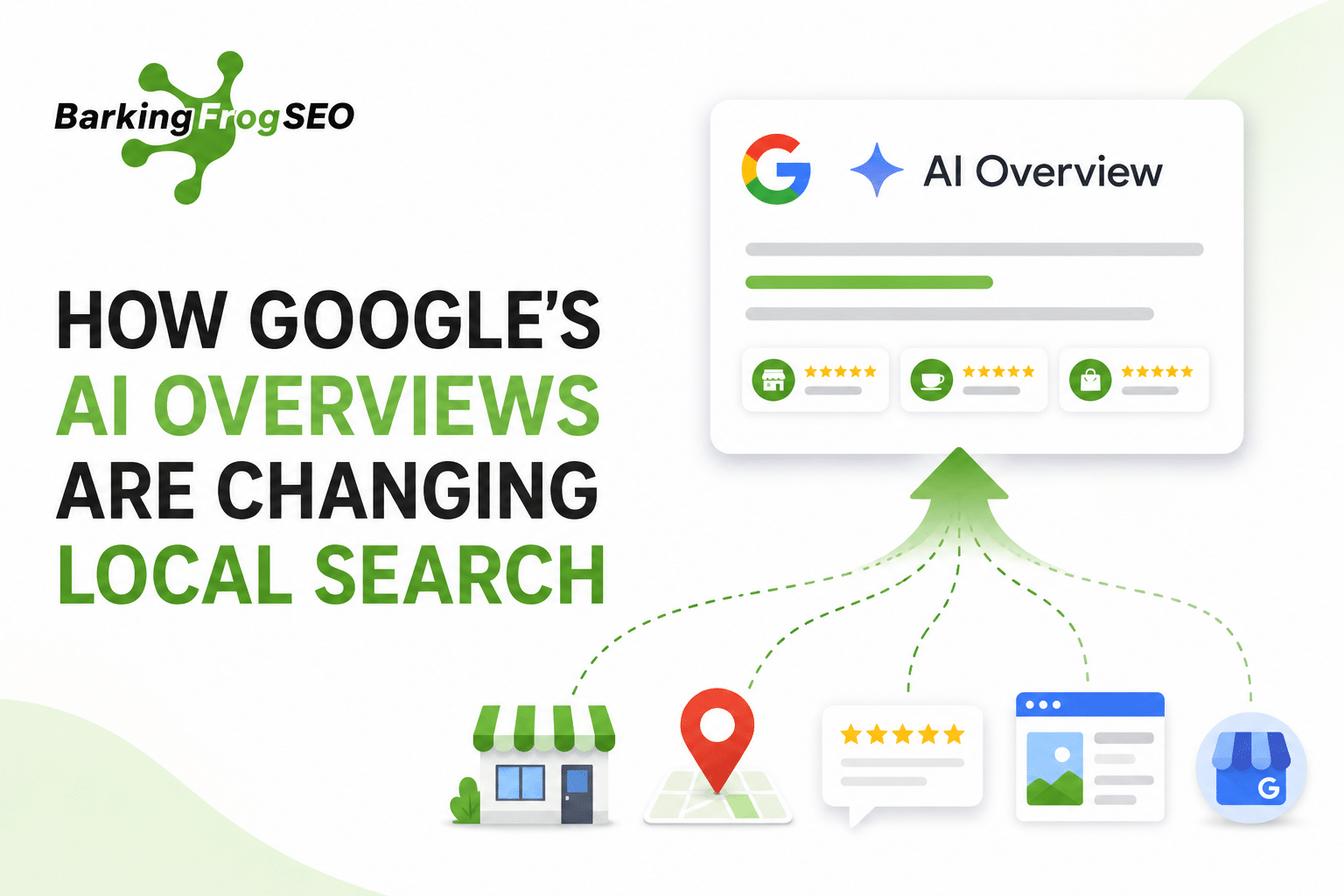
- Data Retrieval: AI tools rely on structured schema markup and accurate Google Business Profile data to answer user queries instantly.
- Trust Verification: Review sentiment and citation consistency act as primary verification filters for AI-driven recommendations.
What is new instead of SEO?
Generative Engine Optimization (GEO) and Answer Engine Optimization (AEO) represent the modern evolution of traditional search visibility strategies. These frameworks focus on structuring your business data so artificial intelligence models cite your company as the authoritative answer for local queries.
- Entity Clarity: Establishing clear brand entities through consistent NAP data across the web.
- Contextual Depth: Providing comprehensive service answers and FAQ schema that AI assistants can easily parse and summarize.
Will SEO exist in 5 years?
Search optimization will continue to exist in future years because human consumers will always need reliable ways to discover local products, services, and trusted providers. The underlying mechanics will shift further toward artificial intelligence parsing, but core principles like local relevance, physical proximity, and brand trust will remain permanent.
- Core Pillars: Trust, proximity, and relevance will continue governing how recommendation engines select businesses.
- Format Shifts: Interfaces may move from static web pages to conversational voice and multimodal AI displays.
How to make your local business AI-friendly
Adapting your local business for the artificial intelligence era requires reinforcing the technical and structural signals that recommendation engines rely on to verify your identity. Implementing these best practices ensures AI assistants surface your business reliably.
- Maintain 100 percent consistent NAP data across all digital directories and social channels.
- Publish clear, straightforward service descriptions and structured FAQ content on your website.
- Implement valid LocalBusiness schema markup and organization structured data.
- Accumulate steady, authentic customer reviews across Google and major industry platforms.
- Earn genuine local brand mentions and digital PR placements within regional publications.
Best Local SEO Tools: Free vs Paid
What tools do you actually need?
A robust free toolkit provides more than enough capability for small businesses and startups to manage their local search visibility without purchasing expensive monthly software subscriptions. Mastering core platforms like Google Business Profile and Search Console covers most essential optimization needs.
Investing in paid tools only becomes necessary when managing multiple locations, tracking advanced rank grids across large metropolitan areas, or scaling competitor link-building campaigns.
Free toolkit table
Paid tools worth considering
Paid local SEO software streamlines advanced tracking, citation management, and competitor research across larger service markets. Choosing reputable industry platforms ensures accurate data and dependable performance metrics.
- BrightLocal: Excellent for comprehensive local rank tracking, citation audits, and review monitoring dashboards.
- WhiteSpark: Industry leader for specialized local citation building and local search ranking factor research.
- Semrush: Powerful all-in-one suite offering robust local rank tracking, site auditing, and competitor backlink analysis.
Tool stack by budget
Structuring your software stack according to your current business growth stage prevents unnecessary expenses while supporting effective optimization workflows. Scaling your toolkit as your revenue grows ensures efficient resource allocation.
- Zero Budget: Google Business Profile dashboard, Google Search Console, Google Analytics, and PageSpeed Insights.
- Starter Budget: Adding a dedicated review management platform or basic citation tracking tool for single-location oversight.
- Growing Budget: Investing in enterprise suites like BrightLocal or Semrush for multi-location tracking and advanced competitor audits.
10 Common Local SEO Mistakes to Avoid
What are the biggest local SEO mistakes?
The biggest local SEO mistakes usually involve tampering with your Google Business Profile name, using fake residential addresses, and ignoring customer reviews. Avoiding these common traps protects your business from sudden algorithmic penalties and ensures your regional visibility continues to grow steadily without interruption.
Identifying and correcting these errors early saves your business valuable time and prevents frustrating drops in local map rankings.
10 critical local SEO mistakes and how to fix them
- Keyword-stuffed GBP name: Adding extra city names or services to your business title triggers automated suspensions. Fix this by keeping your profile name strictly tied to your legal registration.
- Fake addresses or P.O. boxes: Using unstaffed mail drops or virtual offices violates Google guidelines. Fix this by using a genuine staffed storefront or hiding your residential address as a service-area business.
- Inconsistent NAP formatting: Small variations in your name, address, or phone number across directories confuse search algorithms. Fix this by standardizing your NAP data identically everywhere.
- Duplicate listings: Having multiple active profiles for the exact same location splits your ranking power. Fix this by claiming and merging duplicate pages through support tools.
- Ignoring customer reviews: Failing to reply to feedback or collect new ratings tanks your local prominence. Fix this by implementing a systematic post-service review request workflow.
- Thin or duplicate location pages: Publishing identical page templates across multiple cities triggers doorway spam penalties. Fix this by writing unique, localized content for every service area.
- Buying fake reviews: Purchasing bulk review packages triggers spam filters and permanent account bans. Fix this by earning authentic feedback ethically from real clients.
- Ignoring mobile user experience: Slow loading speeds and unclickable phone numbers cause high visitor drop-off. Fix this by optimizing your site performance and adding click-to-call buttons.
- No performance tracking: Operating without analytics or Search Console leaves you blind to ranking drops. Fix this by setting up basic tracking tools from day one.
- Chasing guaranteed rankings: Falling for agencies promising instant #1 spots wastes marketing capital. Fix this by focusing on steady, compounding local optimization assets.
How Measure Local SEO Results
Which metrics matter?
Tracking local SEO success requires monitoring practical metrics like direct phone calls, driving direction requests, website form submissions, and Map views rather than just vanity keyword rankings. Focusing on these core engagement indicators shows whether your optimization efforts are actively driving real customer inquiries and local revenue.
Evaluating these tangible engagement data points gives you a clear picture of your return on investment over time.
GBP Performance and Search Console setup
Setting up your measurement infrastructure involves linking your Google Business Profile performance dashboard with Google Search Console to monitor impression trends. This dual configuration captures both map-based interactions and traditional website search visibility.
- GBP Insights: Review monthly data on how customers found your listing, whether through direct brand searches or general category queries.
- Search Console Integration: Track organic click-through rates and geo-modified keyword impressions driving traffic to your local landing pages.
Tracking calls and leads
Monitoring incoming phone calls and form submissions ensures you can attribute new customer revenue directly to your local search efforts. Simple tracking setups eliminate guesswork when evaluating marketing performance.
- Call Tracking Numbers: Assign unique phone numbers to your Google Business Profile and website to separate organic call volume.
- UTM Parameters: Append custom tracking tags to your profile website link to analyze map traffic accurately inside analytics dashboards.
- Form Tracking: Set up conversion goals on your website contact page to record every inbound email inquiry.
Simple monthly report template
Real Questions and Misconceptions From Reddit and Quora
SEO is a long game, but I need orders now. What works fastest without ads?
Getting orders quickly without paid ads requires fully optimizing your Google Business Profile, reaching out to past clients for immediate reviews, and participating actively in local community groups like Nextdoor. While organic SEO builds momentum slowly, these active engagement tactics accelerate initial local phone calls.
Balancing long-term website optimization with immediate community outreach bridges your early cash flow requirements.
Is a Google Business Profile with reviews really enough?
A Google Business Profile with strong reviews is often enough for very small local operations in low-competition towns, but growing businesses need a supporting website and consistent citations. Relying solely on a map profile limits your ability to rank for secondary search queries and expand into neighboring service areas.
- Single-Location Cap: Profiles alone struggle to capture broader informational searches without dedicated landing page content.
- Digital Asset Ownership: Owning a structured website protects your business against unexpected map algorithm shifts.
What are the best local SEO strategies to improve Google visibility?
Improving Google visibility demands prioritizing a prioritized set of core optimization actions that directly influence relevance, distance, and prominence scores. Focusing your hours on high-impact tasks delivers the best return on investment.
- Claim, verify, and completely fill out your Google Business Profile with accurate categories.
- Standardize your NAP data across core directories like Yelp, Apple Maps, and Bing Places.
- Launch an ethical, systematic post-service review request campaign via SMS and email.
- Build dedicated, localized service pages on your website with targeted geo-modifiers.
- Secure foundational local backlinks through community sponsorships and chamber memberships.
Common local search myths debunked
- Myth: I need to rank #1 for “near me” everywhere. Reality: Proximity dictates search results, meaning distant users naturally see competitors closer to their actual physical location.
- Myth: More keywords in my business name equals better rank. Reality: Stuffing keywords into your profile title triggers automated filters and profile suspensions.
- Myth: I can buy reviews and citations in bulk. Reality: Automated purchase packages are quickly detected by search engines and lead to severe penalties.
- Myth: SEO is guaranteed in 30 days. Reality: Organic search optimization requires building compounding trust signals over several months.
Local SEO for Small Businesses FAQs
How much does local SEO cost for a small business?
Local SEO costs range from zero financial investment for DIY setups to monthly retainers between $500 and $2,000 for professional agency management. Pricing depends entirely on your market competition, number of locations, and required content scope.
How much should I pay for local SEO?
You should pay an amount that reflects your business revenue goals and the actual hours required to clean citations, build content, and manage reviews. Avoid suspiciously cheap automated packages that offer zero transparent reporting.
Is SEO worth it for small businesses?
Local SEO is exceptionally worth it for businesses whose customers search by location, delivering compounding inbound calls and organic leads over time. It requires patience and is less suited for brands demanding overnight sales without setup effort.
Is SEO dead or evolving in 2026?
Search optimization is far from dead; rather, it is evolving rapidly as search engines integrate artificial intelligence assistants into everyday discovery. Verified business profiles and authentic trust signals remain more critical than ever.
What is new instead of SEO?
Generative Engine Optimization and Answer Engine Optimization represent the modern shift toward structuring website data so AI models cite your business as the authoritative local answer.
Is AI replacing SEO?
Artificial intelligence is not replacing local optimization; instead, it relies directly on structured business profiles, reviews, and accurate citations to populate instant AI summaries.
Will SEO exist in 5 years?
Search optimization will continue existing because human consumers will always need reliable ways to discover local products and trusted service providers within their communities.
What is the 80/20 rule in SEO?
The Pareto principle in local search means that completing twenty percent of high-impact tasks—like verifying your GBP, cleaning NAP data, and gathering reviews—delivers eighty percent of your ranking results.
Is there free local SEO for small businesses?
Yes, small businesses can execute local SEO completely free by utilizing built-in Google tools, managing their business profile manually, and handling their own review outreach.
What is local SEO?
Local SEO is the practice of optimizing your online presence to increase visibility across Google Search and Maps for nearby customers seeking your services.
What are the best local SEO tips for beginners?
Beginners should focus on claiming their Google Business Profile, matching exact primary categories, standardizing directory NAP data, and asking every happy customer for a review.
Where can I find local SEO examples or a PDF checklist?
You can find comprehensive local SEO examples and structured step-by-step implementation frameworks directly within the detailed sections of this guide.
Key Takeaways and Your Next Step
Key takeaways
- Prioritize your Google Business Profile and verify ownership immediately before building website content.
- Maintain 100 percent identical NAP formatting across every online directory and social channel.
- Implement a consistent, ethical post-service review request workflow to boost local prominence.
- Build unique, value-driven service pages tailored to your specific geographic target areas.
- Follow a structured 90-day implementation roadmap rather than attempting random optimization tasks.
- Set realistic timeline expectations, knowing that organic search growth requires consistent effort.
- Adapt your digital foundations for modern artificial intelligence discovery by keeping data clean and structured.
What to do this week
- Claim and verify your Google Business Profile with an accurate primary service category.
- Conduct a quick manual audit of your top directory listings to check NAP consistency.
- Draft a simple text message template to start asking satisfied customers for reviews.
When it makes sense to get expert help
Investing in professional local SEO support makes sense when your local market competition is fierce, your internal team lacks the time for consistent execution, or you operate multiple locations across different cities. A qualified specialist accelerates your growth while freeing you to focus on running your core business operations.