What Are Local SEO Services? (The Modern 2026 Definition)
What Does Local SEO Actually Mean for Your Business?
Local SEO services are specialized digital marketing strategies designed to help physical storefronts and service-area businesses rank higher in local search results, Google Maps, and the Google Local Pack. Unlike traditional marketing that targets broad audiences, local optimization focuses entirely on connecting your business with nearby customers who are ready to buy right now.
When a homeowner searches for emergency HVAC repair near me in Miami or Dallas, local search intent determines which local contractors appear at the very top of the map results. Achieving high local visibility relies on several core moving parts working together seamlessly:
- Optimizing your Google Business Profile with accurate business hours, primary categories, and targeted service areas.
- Building consistent citations and business directory listings across trusted platforms like Yelp and Apple Maps.
- Targeting geographic keywords that match the exact phrases local buyers type into their smartphones.
- Generating authentic customer reviews and maintaining active reputation management to build immediate trust in your community.
How Local Search Has Evolved in 2026
Search engines now prioritize mobile-first proximity and AI-driven summaries to give users instant answers without requiring them to browse multiple websites. Zero-click local searches mean potential customers often make hiring and purchasing decisions straight from the map pack view.
To stay competitive in today’s search environment, local businesses must adapt to these modern shifts:
- Proximity weighting plays a heavier role in mobile queries, making hyper-local optimization essential for service-area providers.
- AI-driven summaries pull data directly from structured business listings and customer reviews to recommend trusted local providers.
- User engagement signals—such as direct phone calls, map directions requests, and review response rates—heavily influence your ranking position.
How Local SEO Differs from Traditional SEO
Local SEO vs. National SEO: Key Differences at a Glance
Local SEO targets hyper-geographic searchers within a specific city, neighborhood, or zip code using map listings and local modifiers. Traditional national SEO optimizes websites for broad, country-wide keywords without geographic boundaries, relying heavily on national link building and widespread organic visibility.
Understanding these fundamental contrasts helps business owners allocate their marketing budgets effectively instead of chasing irrelevant traffic.
Why Proximity and Relevance Matter More Than Backlinks Alone
Google’s local search algorithm weighs physical distance and location relevance far more heavily than raw backlink volume. For a local plumbing contractor, ranking #1 nationally for a broad plumbing term brings zero local clients, whereas hyper-local optimization connects you directly with buyers in your exact operating radius.
To capture high-intent local traffic effectively, your optimization strategy must address several key algorithmic elements:
- Proximity weighting determines how close your physical office or service area is to the searching user.
- Geographic modifiers in your website metadata help search engines match your pages to specific neighborhood queries.
- Google Business Profile signals act as the primary trust verification mechanism for map pack visibility.
- Relevance signals ensure your listed services match what local users are actively trying to purchase.
What Core Components Are Included in Professional Local SEO Services?
Professional local SEO services combine multiple tactical pillars into a unified campaign that builds map visibility, drives local calls, and establishes strong community trust. Understanding these core components helps business owners evaluate what a complete optimization strategy entails.
1. Google Business Profile (GBP) Setup, Verification, & Ongoing Management
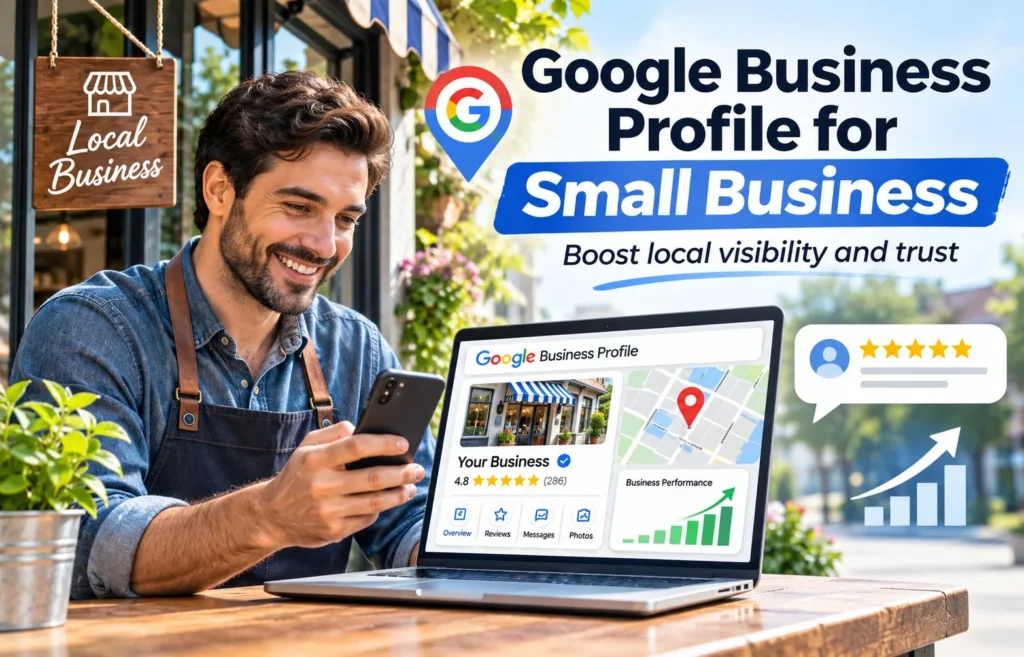
Optimizing your Google Business Profile is the absolute foundation of local visibility, determining whether your business appears in the coveted Google Local Pack. Ongoing management keeps your listing active, secure, and fully aligned with current search algorithms.
A comprehensive GBP management strategy involves several operational steps:
- Selecting primary and secondary business categories to target exact search intent.
- Adding precise attributes, operating hours, and regular service updates.
- Uploading authentic, geotagged photos of your work, team, and workspace.
- Proactively monitoring and answering customer questions in the Q&A section.
2. Local Citation Building and NAP Consistency
Local citations are online mentions of your business name, address, and phone number (NAP) across trusted directories, acting as trust signals for search engines. Maintaining absolute consistency across these platforms prevents customer confusion and algorithmic penalties.
Effective citation building requires careful auditing and submission protocols:
- Auditing existing directory profiles to fix conflicting addresses or outdated phone numbers.
- Submitting accurate business data to major platforms like Yelp, Apple Maps, and Bing Places.
- Building citations in industry-specific or regional directories relevant to your trade.
3. Hyper-Local Keyword Research and Location Pages
Hyper-local keyword research identifies the exact phrases, neighborhoods, and regional modifiers your prospective customers type into search bars. Dedicated location landing pages translate this research into targeted content that captures high-intent traffic across multiple service areas.
To execute this effectively, campaigns focus on specific geographic parameters:
- Uncovering search terms featuring specific city names, neighborhoods, and zip codes.
- Building custom landing pages tailored to each distinct city or service area you cover.
- Optimizing title tags, meta descriptions, and headers with localized intent.
4. Online Review Generation & Reputation Management
Online reviews serve as powerful social proof that directly influences both consumer trust and map ranking positions. A structured review management workflow ethically encourages happy clients to leave feedback while handling negative feedback professionally.
Key reputation management practices include:
- Implementing automated or manual follow-up workflows after a service is completed.
- Responding promptly and politely to all positive and negative reviews.
- Leveraging authentic customer feedback to signal trust and quality to search engines.
5. Local Link Building & Community PR
Local link building involves earning authoritative backlinks and mentions from other regional websites, news outlets, and community organizations. This local PR effort reinforces your business’s geographic relevance and digital authority within your market.
Common local link acquisition tactics include:
- Securing sponsorships for local sports teams, charity events, or community projects.
- Partnering with regional chambers of commerce and local business associations.
- Earning editorial mentions in local newspaper articles or neighborhood blogs.
What Does a Typical Monthly Local SEO Workflow Look Like?
A structured monthly local SEO workflow ensures steady progress through consistent content updates, review monitoring, and technical adjustments. For professional execution, you can explore our comprehensive local SEO services framework designed specifically for growing brands.
A balanced monthly schedule typically follows this operational breakdown:
- Week 1: Google Business Profile post updates, photo uploads, and Q&A monitoring.
- Week 2: Citation building, NAP audits, and directory profile cleanups.
- Week 3: Review generation outreach campaigns and professional response management.
- Week 4: Performance tracking, keyword ranking reviews, and monthly analytics reporting.
Why Local SEO Matters for USA Small Businesses & Startups
Capturing High-Intent “Near Me” and Mobile Searches
Mobile search intent has fundamentally transformed how local buyers find products and services on the go. When potential customers pull out their smartphones to search for urgent help, they are ready to make a purchasing decision within hours, making optimized local listings an essential driver of direct phone calls and store visits.
According to the BrightLocal Local Consumer Review Survey, consumer reliance on map results dictates immediate commercial choices. Service-area businesses and storefront startups that fail to optimize for mobile intent miss out on high-converting leads every single day.
- High-intent mobile searches bypass traditional desktop browsing for instant, location-based solutions.
- “Near me” optimization connects your business with users actively standing in your exact service area.
- Local lead generation turns casual map lookups into immediate phone calls and foot traffic.
Competing with Big Brands Using Hyper-Local Precision
Small startups often struggle to outrank massive national directories for broad commercial terms, but hyper-local precision levels the playing field. By focusing intensely on specific neighborhoods and community relevance, local businesses can dominate the map pack ahead of multi-location corporate giants.
In practical field experience, many new service-area businesses waste thousands of dollars on broad pay-per-click ads that burn monthly budgets without generating qualified calls. In contrast, fine-tuning a local map listing delivers steady, higher-converting organic inquiries at zero cost per click.
- Targeting specific micro-markets allows small startups to bypass heavy corporate advertising spending.
- Geographic relevance signals to search engines that your business is the most logical local choice.
- Community-driven authority builds sustainable trust that expensive national directories cannot replicate.
DIY Local SEO vs. Hiring Professional Agency Services
Can You Do Local SEO Yourself? (The Hidden Time & Skill Trap)
Handling basic Name, Address, and Phone setup on your own is entirely possible for a small business owner, but competitive local markets require advanced technical expertise. Tackling complex tasks like Google Business Profile suspension recovery, technical schema markup, and directory audits often traps busy operators in endless troubleshooting.
While DIY local SEO saves upfront capital initially, it frequently leads to hidden time sinks and costly errors:
- Navigating stubborn Google Business Profile suspension appeals without losing verified customer reviews.
- Utilizing professional citation cleanup tools to resolve conflicting or duplicate directory listings.
- Writing and embedding technical local business schema markup to clarify your service radius for search crawlers.
What to Look for When Choosing a Local SEO Partner in the USA
Outsourcing your digital marketing requires finding an honest, transparent local SEO agency that prioritizes sustainable organic growth over empty promises. Avoid partners offering guaranteed overnight rankings, and instead look for professionals who provide clear reporting, verifiable case studies, and customized local strategies.
If you want a proven partner to handle your digital growth from the ground up, explore what we build at Yasinskills, or check how we scale multi-region campaigns across our active service locations.
Evaluating a potential marketing partner involves checking key operational criteria:
- Demanding transparent monthly reports that focus on actual phone calls, form fills, and map interactions.
- Ensuring the agency understands the specific regulatory and competitive nuances of your local USA market.
- Confirming they use white-hat optimization practices that protect your digital assets from algorithmic penalties.
Frequently Answered Questions (FAQs) on Local SEO Services
How much do professional local SEO services cost?
Professional local SEO services typically range from $500 to $2,000+ per month, depending on market competitiveness, location count, and agency scope. Many small business owners encounter skepticism on community forums regarding overpriced agencies that fail to provide transparent reporting or tangible call tracking metrics.
- Monthly retainer models cover ongoing citation building, map optimization, and review management.
- Avoid agencies hiding behind vague metrics and demand clear tracking dashboards showing actual phone calls and form submissions.
- Pricing reflects the manual labor required for continuous map ranking and local authority growth.
How long does it take to rank in the Google Local Pack?
Achieving consistent visibility in the Google Local Pack typically takes between 3 to 6 months. The exact ranking timeline for the local pack depends heavily on market competitiveness, your industry niche, and the historical state of your online business listings.
- Early improvements often appear in map impressions within the first 30 to 60 days.
- Competitive metropolitan markets require sustained optimization to outrank established local competitors.
- Patience and consistent white-hat citation management yield long-term organic growth.
Is local SEO still worth it for service-area businesses without a physical storefront?
Local SEO is highly effective and essential for service-area business SEO, even if you operate entirely from a home office or travel directly to clients. Google allows service-area businesses to hide their residential addresses while successfully ranking in nearby map pack searches.
- Proper setup involves defining exact service radiuses rather than displaying a public retail storefront.
- Optimizing for service-area parameters prevents policy violations and profile suspensions.
- Customers find your business based on the regions you service rather than a physical street address.
What happens if my Google Business Profile gets suspended?
A Google Business Profile suspension temporarily removes your listing and reviews from Google Maps and search results, halting local inquiries. Resolving a suspension requires submitting a formal reinstatement request with official business registration documents and correcting any guideline violations.
- Common triggers include using P.O. boxes, changing business names abruptly, or violating address guidelines.
- Gather utility bills, business licenses, and storefront signage photos to prove legitimacy during appeals.
- Reinstatement protocols can take anywhere from a few days to several weeks depending on support review times.