Why Most Local SEO Projects Stumble on Day One (And How to Prevent It)
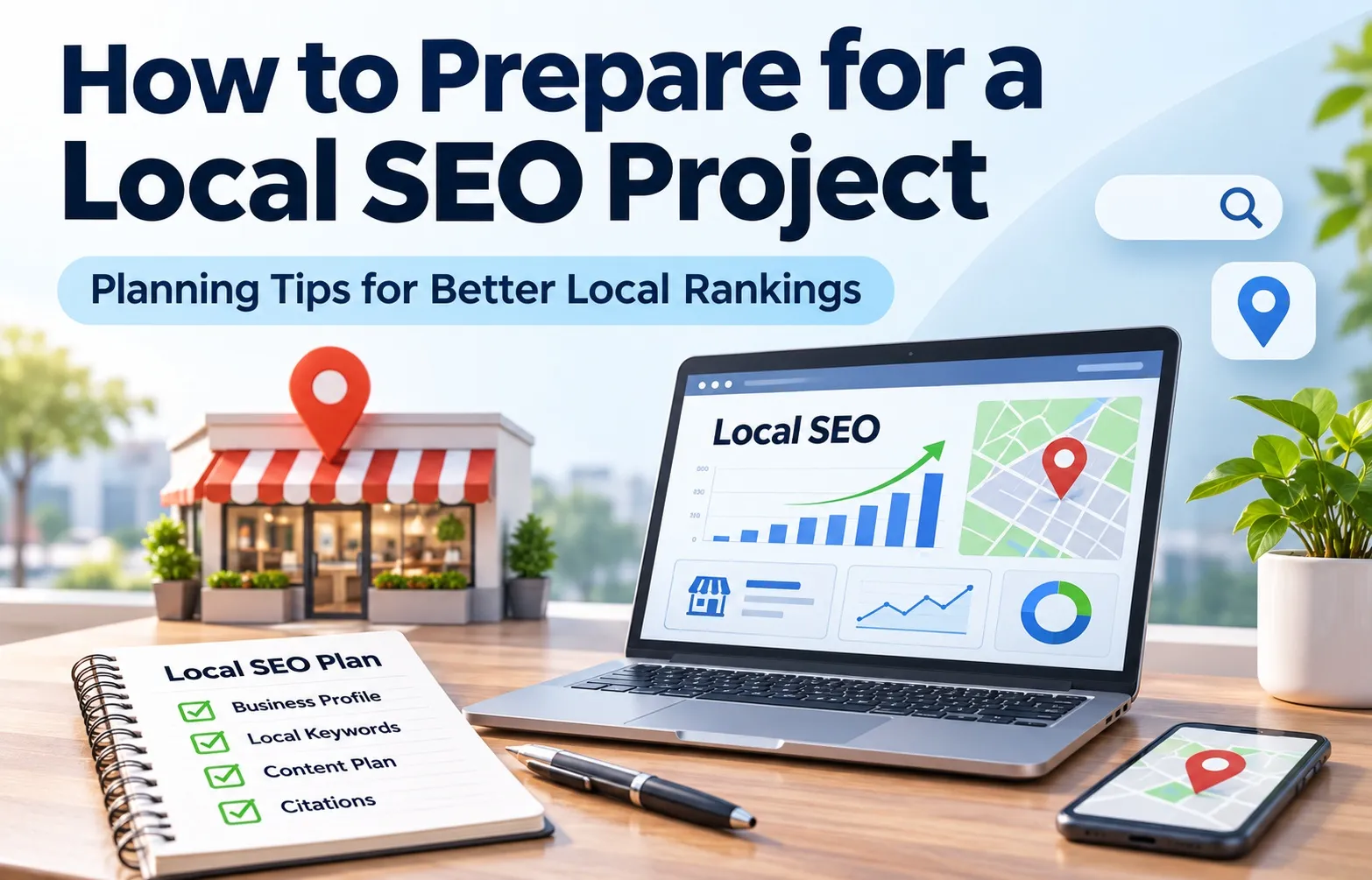
Proper local SEO preparation involves gathering administrative credentials, documenting your current business details, establishing starting performance metrics, and defining service areas before making any website updates. Rushing into optimization without this foundational groundwork frequently leads to delayed campaigns, lost access rights, and misaligned tracking data.
The Hidden Costs of Poor Onboarding
Jumping straight into keyword research and page edits without securing primary account access or baseline data results in wasted months of trial and error. When digital assets are fragmented or locked behind old logins, marketing momentum stops dead while everyone scrambles to recover permissions.
- Delayed Optimizations: Simple website updates stall for weeks when nobody has the correct admin password for the content management system.
- Lost Historical Data: Failing to record baseline traffic and rankings makes it impossible to measure whether new changes are actually working.
- Frustrating Back-and-Forth: Constant emails asking for basic business details waste valuable time that should be spent on growth.
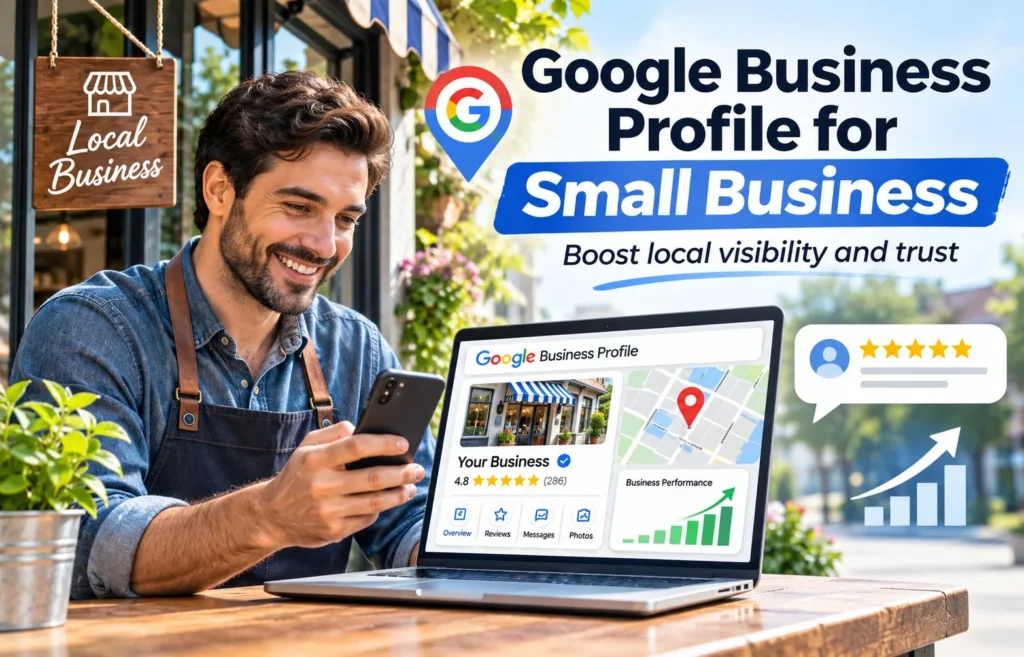
During client campaign rollouts, failing to secure Google Business Profile primary ownership upfront routinely stalls progress for weeks. Resolving verification loops and regaining control from forgotten agency accounts takes precious time away from actual local visibility improvements.
Who Needs a Local SEO Prep Checklist?
Every small business owner, startup founder, and in-house marketer launching a local search campaign benefits from a structured prep checklist. However, the exact preparation steps vary depending on whether your business serves customers at a physical storefront or travels across a specific geographic service radius.
- Storefront Businesses: Retail shops, dental clinics, and restaurants that rely on foot traffic need to focus heavily on exact address consistency and physical map-pack visibility.
- Service-Area Businesses (SABs): Plumbers, mobile mechanics, and home contractors who travel to clients must properly configure hidden address settings and define precise operating radius maps.
- Hybrid Local Professionals: Businesses that both welcome clients on-site and travel to service appointments require dual-focused optimization preparation.
Phase 1: Securing Access and Admin Credentials (The Digital Keys)
Gathering and verifying digital access before starting a local SEO project protects your business from administrative roadblocks and lost asset control. Collecting secure logins for your Google platforms, website management system, and directory listings ensures your optimization work begins smoothly without permission delays.
Google Business Profile (GBP) Ownership
Verifying manager versus primary owner rights on your Google Business Profile prevents third-party agencies from locking you out of your own listing. Always maintain primary control of your profile, granting administrative access only through official delegated user roles rather than sharing your personal login credentials.
- Log into your Google Business Profile dashboard and navigate to your business location settings.
- Select users or access management to review who currently holds owner or manager permissions.
- Invite your SEO specialist or new manager using their professional email address assigned to a specific role.
- Consult the official Google support documentation for detailed steps on managing roles securely.
A common mistake during onboarding is sharing a personal Google account password instead of assigning delegated user roles. Handing over master passwords compromises your entire personal email security, creates dangerous liability, and makes it difficult to revoke access if a working relationship ends.
Website CMS, Google Search Console, and Analytics
Securing full administrative access to your website content management system, Google Search Console, and Google Analytics 4 is essential for technical auditing. Without clean administrator rights, fixing crawl errors, updating meta tags, and measuring traffic growth becomes practically impossible.
- Website CMS: Create a dedicated administrator account for your web builder or WordPress dashboard rather than sharing a primary master login.
- Google Search Console: Verify property ownership or add your technical team as full users to monitor search performance, indexing status, and manual actions.
- Google Analytics (GA4): Ensure your business owns the primary analytics property and grants standard editor permissions to external collaborators.
Citations and Tracking Tools
Compiling active login credentials for major directory platforms and performance tracking tools prevents duplicate listings and fragmented data collection. Centralizing these assets gives you a complete view of your local web footprint before optimization changes take effect.
- Directory Citations: Gather administrator logins for Yelp, Apple Maps Connect, and Bing Places to ensure uniform business details.
- Call-Tracking Software: Collect dashboard access for any dedicated phone call measurement platforms currently monitoring lead sources.
- Form Analytics: Document logins for lead generation plugins or contact form tracking tools to measure conversion rates accurately.
Phase 2: Auditing Your Current Digital Foundations & NAP Consistency
Auditing your digital foundations involves thoroughly examining your business name, address, and phone number across the web, evaluating your website architecture for local relevance, and assessing your review profile health. Catching and correcting these foundational errors before starting an optimization campaign prevents search engines from getting confused about your physical location and services.
The NAP Audit (Name, Address, Phone)
A NAP audit checks your business name, address, and phone number across your website, Google Business Profile, and major directory listings to find and fix exact formatting mismatches. Ensuring absolute consistency in every single detail stops search engines from splitting your local ranking authority between conflicting variations.
- Exact Business Name: Verify that your legal business name matches across every platform without unauthorized keyword stuffing.
- Street Address Formatting: Ensure suite numbers, street abbreviations, and zip codes follow the exact same format everywhere online.
- Primary Phone Number: Use a local or primary business phone number consistently across your main citations to build trust.
Website Structure & Location Context
Evaluating your website architecture ensures you have dedicated service pages and clear local signals that connect your brand to your target cities. Structuring your pages correctly helps search engine crawlers understand precisely which geographic areas and offerings your business serves.
- Dedicated Service Pages: Create separate, detailed pages for each core offering rather than cramming all services onto one homepage.
- Local Context Signals: Embed city names, neighborhood references, and regional terminology naturally into page content and headers.
- Service-Area Clarity: Clearly outline the specific towns, counties, or neighborhoods you travel to if you operate as a mobile service business.
Review Profile Health
Documenting your current review profile health involves cataloging your total review volume, average star ratings, and historical customer response habits across major platforms. Keeping track of these metrics highlights your current online reputation standing before active reputation management efforts begin.
- Review Volume & Ratings: Note how many total reviews you have on Google, Yelp, and industry-specific directories alongside your average scores.
- Recency Tracking: Check how frequently new customer feedback comes in to identify if your business has an active review acquisition rhythm.
- Response Habits: Review whether past customer feedback—both positive and negative—has received professional, timely replies from management.
Phase 3: Gathering Business and Market Context for Strategic Targeting
Gathering business and market context connects your technical assets to real-world commercial goals by prioritizing high-margin services, mapping precise operational boundaries, and identifying key local competitors. Aligning your optimization strategy with actual profit drivers ensures that incoming search traffic translates into profitable customer engagements rather than low-value inquiries.
Pinpointing Your Core Profit Drivers
Identifying your core profit drivers involves separating low-value, high-effort tasks from high-margin services that generate the majority of your business revenue. Focusing your optimization campaigns on these specific profit centers ensures that your marketing budget targets the exact services that keep your operations thriving.
- Revenue Analysis: Review past billing statements or job sheets to determine which specific services yield the highest profit margins.
- Resource Weighting: Assess the equipment, labor, and time required for each offering to filter out low-margin jobs.
- Strategic Intent Mapping: Align high-value service offerings with the exact search phrases potential customers type into search engines.
Defining Service Radius vs. Storefront Locations
Defining whether your business operates out of a physical storefront or travels across a geographic service radius dictates how search engines display your brand in local results. Properly configuring these boundaries prevents wasted optimization efforts in areas you do not serve.
- Storefront Businesses: Focus optimization around customer walk-in convenience, parking details, and exact street-level directions for a single fixed address.
- Service-Area Businesses (SABs): Hide your residential or administrative address on Google Business Profile and set precise county or city operating boundaries.
- Hybrid Operators: Balance on-site customer visits with mobile dispatching by clearly communicating both capabilities on your primary landing pages.
Targeting broad city names without factoring in neighborhood micro-markets often wastes local SEO budget and drains marketing resources. Large metropolitan areas contain distinct districts and suburbs where search intent varies wildly, meaning localized neighborhood targeting yields much faster visibility than chasing hyper-competitive downtown keywords.
Competitor Mapping in the Map Pack
Mapping your top competitors in the local map pack involves analyzing the businesses currently dominating the top three positions for your target search terms. Studying these rival companies reveals what review volumes, website structures, and citation sources are required to outrank them.
- Map-Pack Analysis: Search your primary service keywords in an incognito browser to identify which three local competitors hold top map positions.
- Review Benchmark Assessment: Compare your total review count, star rating, and review velocity against the top-ranking local businesses.
- Service Page Evaluation: Inspect competitor websites to see how thoroughly they detail their service offerings and local geographic coverage.
Phase 4: Establishing Baselines, Tracking, and Goals
Establishing baselines, tracking mechanisms, and concrete goals allows you to measure the exact return on investment from your local search optimization efforts. Documenting your starting metrics and configuring accurate conversion tracking before making changes ensures you can prove campaign growth from day one.
Recording Your Starting Metrics
Recording your starting metrics involves capturing your current map-pack visibility, local keyword rankings, and incoming call volumes before launching any campaign updates. Having an accurate baseline record gives you a clear point of comparison to evaluate how much your local search visibility improves over time.
- Map-Pack Visibility: Document where your business currently ranks within the local map 3-pack for your core commercial keywords.
- Local Keyword Rankings: Note your organic search positions across your target city and neighborhood search queries.
- Current Call Volumes: Catalog your average monthly phone calls, website form submissions, and direct direction requests.
Setting up proper call tracking before optimization begins prevents false attribution errors later in the campaign lifecycle. When call tracking numbers and form submission tracking are active prior to major website updates, you ensure that every new lead generated is accurately credited to your local SEO efforts rather than existing brand recognition.
Aligning Goals – Calls vs. Form Fills
Aligning your primary goals between phone calls and form fills ensures your website design and tracking tools focus on the conversion actions that matter most to your bottom line. Different business models require different user journeys to turn local search traffic into paying customers.
- Phone-Driven Businesses: Emergency services like plumbers and locksmiths should prioritize click-to-call mobile buttons and dedicated tracking phone numbers.
- Form-Driven Businesses: Professional consultants and contractors who require detailed project intake forms should prioritize streamlined lead form submissions.
- Conversion Goal Setup: Configure your analytics platforms to measure your chosen primary action so your growth can be tracked objectively.
Addressing Common Reddit & Quora Pain Points About Local SEO Kickoffs
Navigating local SEO project kickoffs often brings up frustrating roadblocks shared across online business communities, from uncooperative former agencies to confusing timelines. Addressing these real-world obstacles with calm, systematic procedures protects your business assets and keeps your optimization roadmap on track.
What if my previous agency won’t hand over my Google Business Profile?
Recovering access to a Google Business Profile when a former agency or disgruntled marketer refuses to transfer ownership requires following official Google support escalation protocols. Maintaining calm composure and using platform-backed ownership requests ensures you regain control of your listing without resorting to costly legal threats.
- Request Transfer Formally: Send a written request asking the previous provider to initiate a primary ownership transfer through the profile dashboard.
- Submit a Direct Claim: Log into your Google Business Profile manager, search for your business listing, and click “Request Access” if current owners ignore your prompts.
- Escalate via Support: If the current owner denies or ignores your claim for seven days, follow the official Google Business Profile support workflow to verify your legal business identity and seize control.
Dealing with uncooperative marketers or managing sudden account suspensions during an agency handoff can feel overwhelming. Staying systematic by gathering utility bills, business licenses, and storefront photos prepares you to verify your legitimate operations directly with Google support if ownership disputes freeze your listing.
How long should the preparation and audit phase actually take?
Completing a thorough local SEO preparation and audit phase typically takes between one to two weeks depending on the complexity of your business footprint. Rushing through this preliminary stage often leads to missed errors, while dragging it out delays revenue growth.
- Days 1 to 3 (Credential Gathering): Secure administrative logins for your website CMS, Google Search Console, analytics, and primary directory listings.
- Days 4 to 7 (Foundational Audits): Audit your NAP consistency across the web, review current review health, and document baseline rankings.
- Days 8 to 14 (Strategy Alignment): Finalize core profit drivers, map out service areas, and configure primary lead tracking goals before starting active optimization.
Conclusion & Streamlining Your Local SEO Campaign
Thorough preparation is half the battle when launching a successful local SEO campaign for your small business or startup. By securing your digital credentials, auditing your NAP consistency, and establishing clear performance baselines upfront, you eliminate friction and set the stage for sustainable local growth.
Key Takeaways for a Smooth Local SEO Kickoff
Approaching your optimization strategy with a structured preparation plan prevents costly delays and ensures every marketing dollar works hard for your business. Keeping your digital assets organized from day one protects your brand visibility and accelerates your path to the top of the map pack.
- Secure Your Digital Keys: Retain primary ownership of your Google Business Profile and administrative control over your website tools.
- Fix Foundational Errors: Clean up NAP inconsistencies and map out your core service areas before making major website changes.
- Track What Matters: Establish accurate baseline metrics and configure clear conversion goals to measure your return on investment accurately.
Ready to Let Experts Handle the Heavy Lifting?
While handling your own local SEO preparation is entirely possible, partnering with experienced professionals lets you bypass technical hurdles and focus on running your core business operations. Whether you need a comprehensive audit or a complete optimization strategy, having a dedicated specialist manage your digital footprint makes all the difference.
To learn more about how tailored local search campaigns support growing enterprises, explore our main overview at yasinskills. If you want to review specific deliverables and transparent investment tiers designed for small businesses, take a look at our pricing page, browse our complete services portfolio, or check out regional support details across our locations page.